
Programme
Wolfgang Amadeus Mozart Overture to The Marriage of Figaro
Johannes Brahms Violin Concerto in D major, Op. 77 (Bjørg Pas, violin)
Joseph Haydn Symphony No. 104 in D major 'London'
Performers
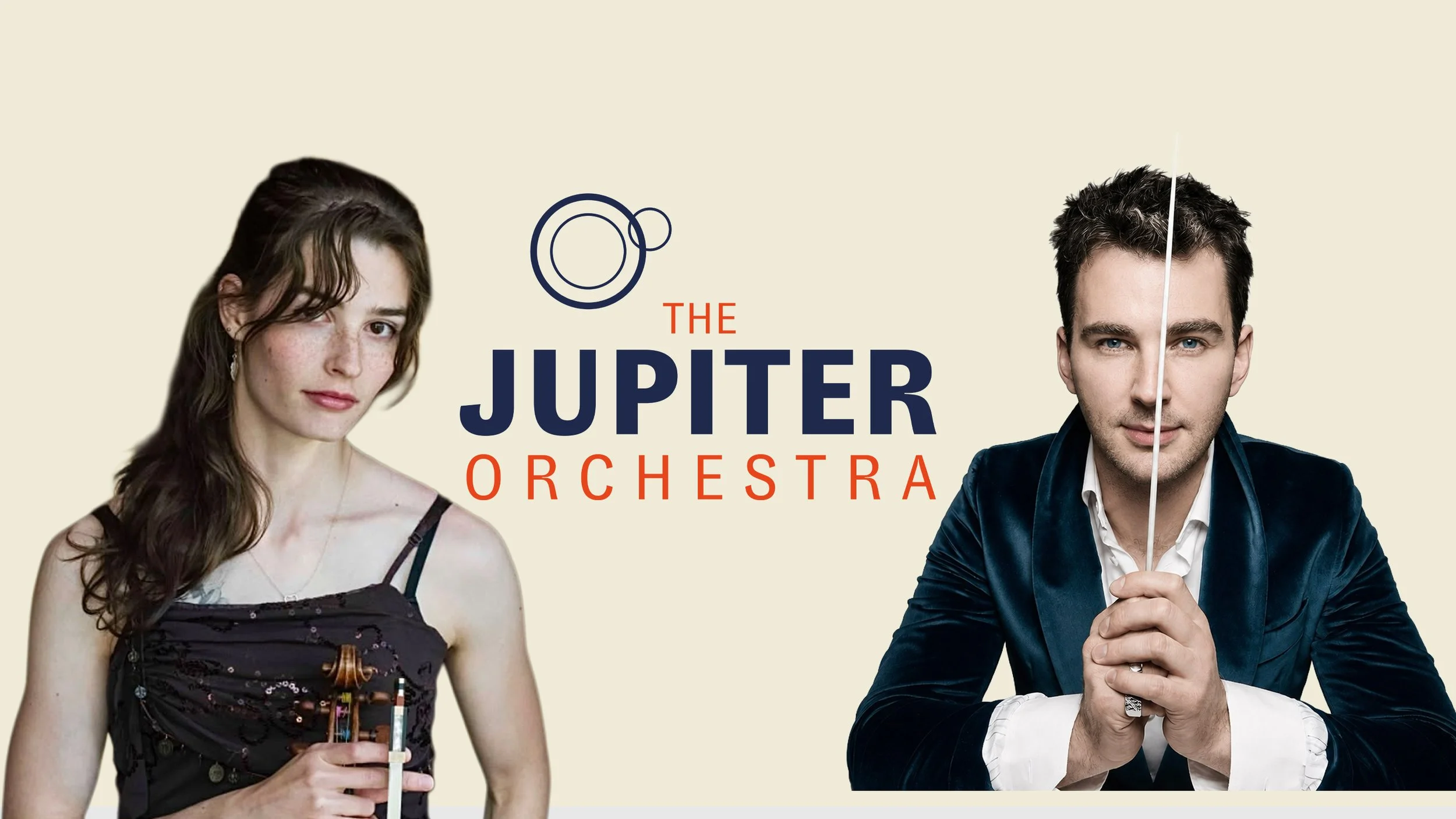
Bjørg Pas violin (Royal Academy of Music)
Christopher Clark conductor
The Jupiter Orchestra
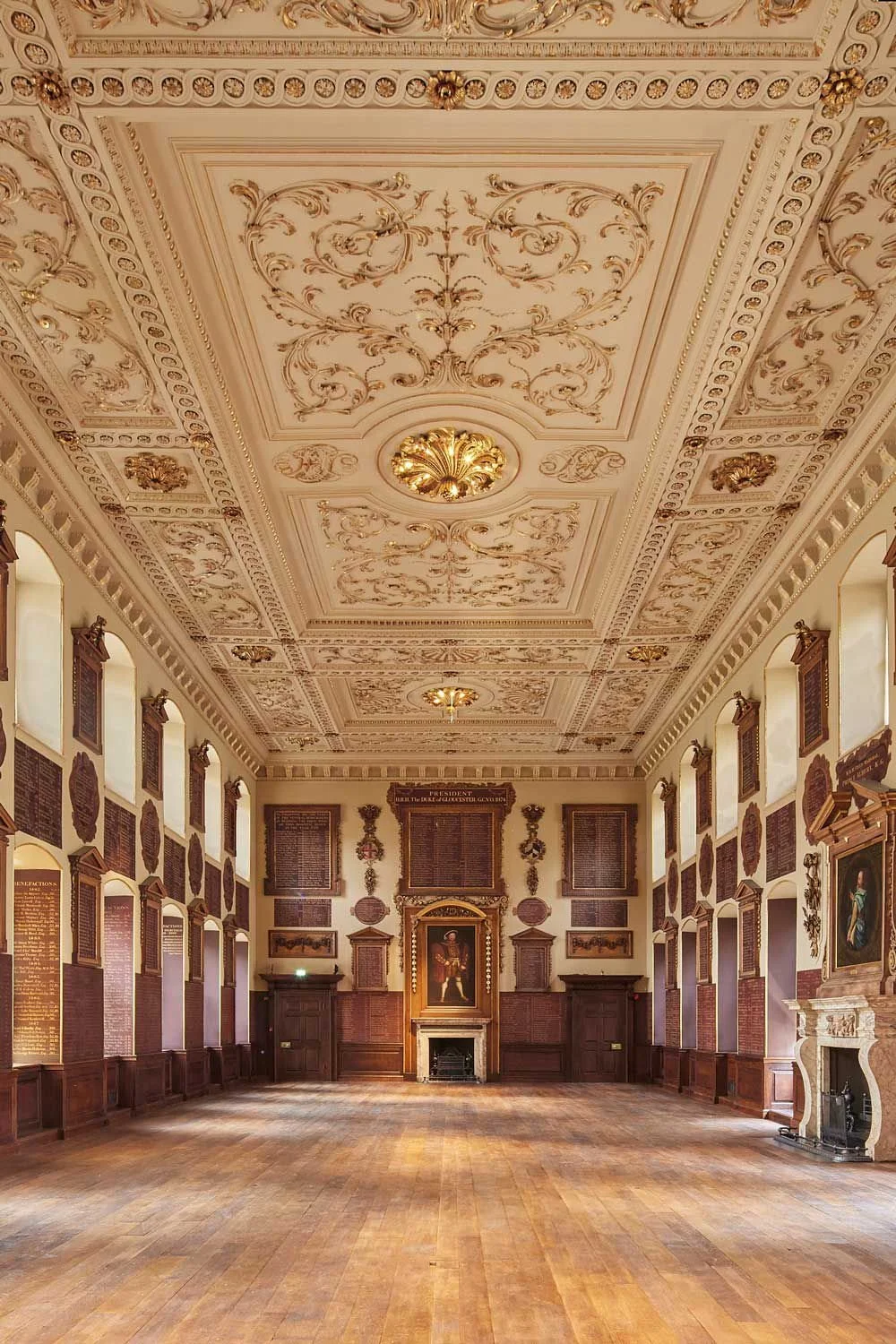
Following their debut in the Gasholders Building at King's Cross, The Jupiter Orchestra returns for its second concert, this time inside Barts Great Hall at St Bartholomew's Hospital, Smithfield, one of London's oldest and most storied buildings.
Our central idea is simple: Exceptional Music in Extraordinary Spaces. We bring outstanding orchestral performances into architecturally significant settings, programming works that celebrate the acoustics of each space.
For nearly 300 years, the Great Hall has been a place of ceremony and celebration. Its proportions, wood-panelled interior and intimate scale form the setting for a programme moving from Mozart’s theatrical brilliance through the breadth of Brahms’s Violin Concerto to Haydn’s final symphony.
Mozart's Overture to The Marriage of Figaro opens in a rush of hushed strings, wit and theatrical energy. Norwegian violinist Bjørg Pas then joins the orchestra for Brahms's Violin Concerto in D major, a work in which soloist and orchestra constantly answer, challenge and support one another, moving between symphonic grandeur and extraordinary intimacy. Pas, one of Norway's outstanding young violinists, has already appeared as a soloist with the Oslo Philharmonic and Norwegian Radio Orchestra and is currently studying at London's Royal Academy of Music.
Haydn’s Symphony No. 104, the London, closes the evening. Written for his final visit to the city, the symphony opens with a grave, commanding introduction before unfolding with wit, warmth and rhythmic vitality, culminating in the exuberant energy of the final movement.
The Jupiter Orchestra brings music, architecture and audience into close relationship, creating orchestral performances shaped by the character of the places in which they are heard.